Showing posts with label Mystery. Show all posts

June 30, 2012

Another Religious Adventure

The Book of Names
Jill Gregory & Karen Tintori
Fiction/Thriller
To Buy Amazon - Barnes & Noble


Here's another review for Audiobook Week (an occasion I didn't know about this until I stumbled upon a twitter hashtag on Tuesday). The book is seven discs, (8 hours), and is narrated by Christopher Graybill.

It took me awhile to warm up to Graybill's reading, as it is with nearly every audiobook I listen to. Generally my first thought on track one is something like 'this guy/gal sounds so weird, how did he/she get this job?!' but about five minutes in everything is fine, and the voice simply becomes part of the story (except in one or two very bad cases). It catches my interest when an audiobook includes some kind of audio detail that you don't always hear, and in The Book of Names, it was sort of an echo microphone effect used when characters were either thinking to themselves or conversing through a telephone. It was a little odd sounding, but it was very effective within the story. The book is broken down into very small 'chapters', usually jumping points of view as the action sets up, typical thriller set up. I've seen some audio books that use multiple narrators to cover the voices, but that wasn't the case here. Graybill used variants of his vocal range and regional accents to cover the entire character spectrum. Some of the voices seemed a little exaggerated, but there was an international cast of characters, so it worked pretty well.

It is said that there are 36 souls in each generation that are capable of complete spiritual enlightenment. If any of them die prematurely, leaving less than 36 righteous souls at any time, the world becomes more chaotic. If all of them should die, the world as we know it, comes to an end. These names were recorded by Adam from the word of God, and were passed down until eventually the Book of Names was lost in time...

I liked the story - the fast pace and interesting historical questions made the time pass quickly while I listened at work. I have a love of old cultures and traditions, so many of the subjects discussed in the book intrigued me: Kabbalah, Tarot, Zodiac, biblical references, the Tree of Life, and of course, any secret societies (there is a bit of a conspiracy theorist in me)! I have little to no knowledge about Judaism, so a lot of the content was new to me, and I'm not completely certain what was fact and what was fiction, but it doesn't detract from the story.

The plot was very DaVinci Code esque:

In the DaVinci Code, Robert Langdon, a world-renowned symbologist (a person who studies symbolism throughout time and cultures), who teaches class at Harvard University, is sought out to help solve the murder of the Louvre curator. After analyzing the body and teaming up with a police cryptographer, Langdon begins an incredible journey of puzzles, history, and alternate biblical conspiracies.

In The Book of Names, David Shepard falls off a roof when he is young, and has a near death experience. Ever since that time, names fill his mind, names he's never heard, people he's never met - and he records them in a journal. We find out that these names are the same names in the fragments recovered from Adam's Book of Names. Unfortunately, a dark, evil, secret society, the Gnosios (I think, I only listed remember? The word derives from Gnostic) also finds out that David knows these names; names they have been desperately trying to recover for generations in order to destroy the world as we know it, to have it born anew.

The plots are fairly similar, but one thing really jumped at me. In DaVinci Code, Langdon is the teacher. He goes through his adventures with a knowing and calculating mind, and all the tools he needs as his adventure progresses. Shepard, on the other hand, knew nothing of any religious affiliations or even anything strange - for all he knew, the names were just a slightly strange side effect from a nearly fatal accident when he was a kid. I mean, his degree was in political science (his dad was a senator), and neither of those facts came in handy for him, except for one character he met through his father. I'm not sure which is more annoyingly convenient; having a character that 'happens' to know everything he needs to survive, or a character that depends on the people he 'happens' to meet along the way - I think the latter, because how could he have known who to trust? If he had let the wrong sort of person know about his gift, the story could have concluded with the end of the world.

As it was, David Shepard happened to hear one of the names on the news one day as he was writing it down - the woman had been murdered. Once the initial shock passed, he began searching for the other names, finding many of them also deceased. Unsure of what to do next, he asks his best friend and colleague, a professor of religion, who refers him to a Rabbi, and the adventure goes from there. Before he sees the Rabbi, however, he received a call from his step-daughter, whose mother had just remarried. The new husband adopted the daughter, changing her name to something very familiar to David...one of the names on his List...the list of people who mysteriously end up dead.


December 6, 2011

A Wicked Children's Book

Plain Kate
Erin Bow
Young Adult Fantasy


As you can tell by my recent lack of posting, the time I've allotted in my life for reading hasn't really been up to snuff lately, not that I sit back and allot time for things in my life, but you get what I mean (hopefully). My plan has been to remedy that with audio books listened to while working (don't worry guys, I'm a hard worker and even better multi-tasker, my work performance is in no way affected by whatever I listen to during the day...thought I'd throw that disclaimer out there). This resolution has led to several recent trips to the library, which is convieniently located just across the street from my work building...
I read (listened to --) this book by accident. As it happens, they do not have 'adult fiction' and 'young adult fiction' sections of audio books at my library, which is where I was when I noticed this book - in audio format - obviously. I had already picked two other books, and was tentatively browsing for a possible third when I saw the colorful, interesting cover of this one. I read about half a sentence of the synopsis on the back - "Plain Kate lives in a world of superstitions and curses, where a song can heal a wound and a shadow can work deep magic." - and added it to my pile of auditory literature. For no reason in particular, I chose this of the three to listen to first. (WHY do I always have to explain the entire story of how I came to read something? How lame am I for doing this??)

 So about the book - I had somewhat of a hunch this was a young adult fiction book before I started it, but was hoping it wasn't. It's not that I have anything against YA, but I've grown up and out of that stage, though I enjoyed reading the angst-y dramatic soul searching morals of that genre up until a few years ago (and still enjoy a really good one every once in awhile if the writing is good enough to compel me). 30 seconds into this book and I pressed pause to re-evaluate my choice. 

First, let me distinguish a distinct difference between actually reading a book and listening to one. You cannot see the pages of an audio book. You have the freedom to look at whatever you choose while you listen, which can cause much more distraction if you are not careful, but I think there is just something fundamentally different between reading to yourself mentally and being read to. (This subject may lead to it's own blog post soon.) Recalling specific details is more difficult. When I think back on a certain passage, it, for whatever reason, helps me to picture the words on the page, which I can't do if I've never seen the page. It is one of those things you don't notice until it isn't there, like the noise of your fish tank running at night, or the noise of anything electronic, really. Read any poetry and you'll know, things don't sound quite the same in your mind as they do read aloud. Keep this in mind if you are considering an audio book.

The justification for that brief divergence of topic - this book sounds a little kiddie. The sentences were short, and simple language was used. This would be okay if the subject matter were a little bit less, uh, frigging horrific. I kept thinking to myself during the book - this author needs to pick her audience a little better, the writing is geared toward younger readers, around ten I would say (from how it sounded, I didn't actually see the words, which is probably enormously helpful when making an assessment such as this, but take it however you will), but the subject matter of human cruelty, starvation, being orphaned, loneliness, death, trickery, references to blood everywhere (needed to work powerful magic spells), and witch burning - I thought was not fit for such young people. 

The story is about a young girl who loves her father. He teaches her carpentry with which she later supports herself (to a point). Her father dies in a plague people say is caused by witches, which in turn causes people across the country to persecute and burn persons suspected of witchcraft. Kate is orphaned and forced to leave her home and sleep in a drawer. She finds some cats, and miraculously she survives four years without starving. Townsfolk start gossiping that she may be a witch and she is forced to leave. A real witch barters her shadow for her secret wish, which is to have someone to talk to, and all of the sudden her cat can talk. The rest of the book is spent with Kate trying to get her shadow back, and I guess there is something of a mystery involving the witch who took her shadow (and nearly every other character Kate conveniently meets on her journey). Also, this book was set in a Scandinavian-esque country - but there weren't many ways you could tell throughout the writing, though at the same time it was made blatantly obvious. For example - Plain Kate's last name is Svetlana (full first name is Katerina). The country's name is Samilae (had to look up this proper spelling since I'd only heard it sim-a-lay). 

So many reviews I just browsed over on goodreads.com gush about how they cannot believe this is Erin Bow's first novel, while to me, it screamed inexperienced from the first track. I know most of you who read this blog wouldn't be interested in YA, but if by happenstance someone who is looking for good YA to read and has ended up here, this is for you: I would not recommend this book. There are so many other good books out there it's ridiculous. If you happen to love books about magic and hardship and cheesy mysteries, go ahead and try Plain Kate, it seems plenty of other people have enjoyed it (the average rating on goodreads.com is 3.83, which is somewhat high -- I gave it a 2 -- seriously, it baffles me how many people loved it). Here is a list of YA books to consider instead of this one: 
Ender's Game - Orsen Scott Card
This Lullaby - Sarah Dessen
The Giver - Lois Lowry
The Hunger Games series - Suzanne Collins
His Dark Materials series - Philip Pullman
The Sisterhood of the Traveling Pants - Ann Brashares
HARRY POTTER series - Jo Rowling
Hatchet - Gary Paulsen.


Hope to have new reviews up soon. Thanks for reading!


November 6, 2011

R.I.P. Challenge Wrap-Up

October has faded, and we're now into another November, which means the R.I.P. Challenge has come to an end.


This was my first year participating, and I kind of took a loose approach to it. I did read several books that fit into the challenge's parameters:

The Hound of the Baskervilles by Sir Arthur Conan Doyle


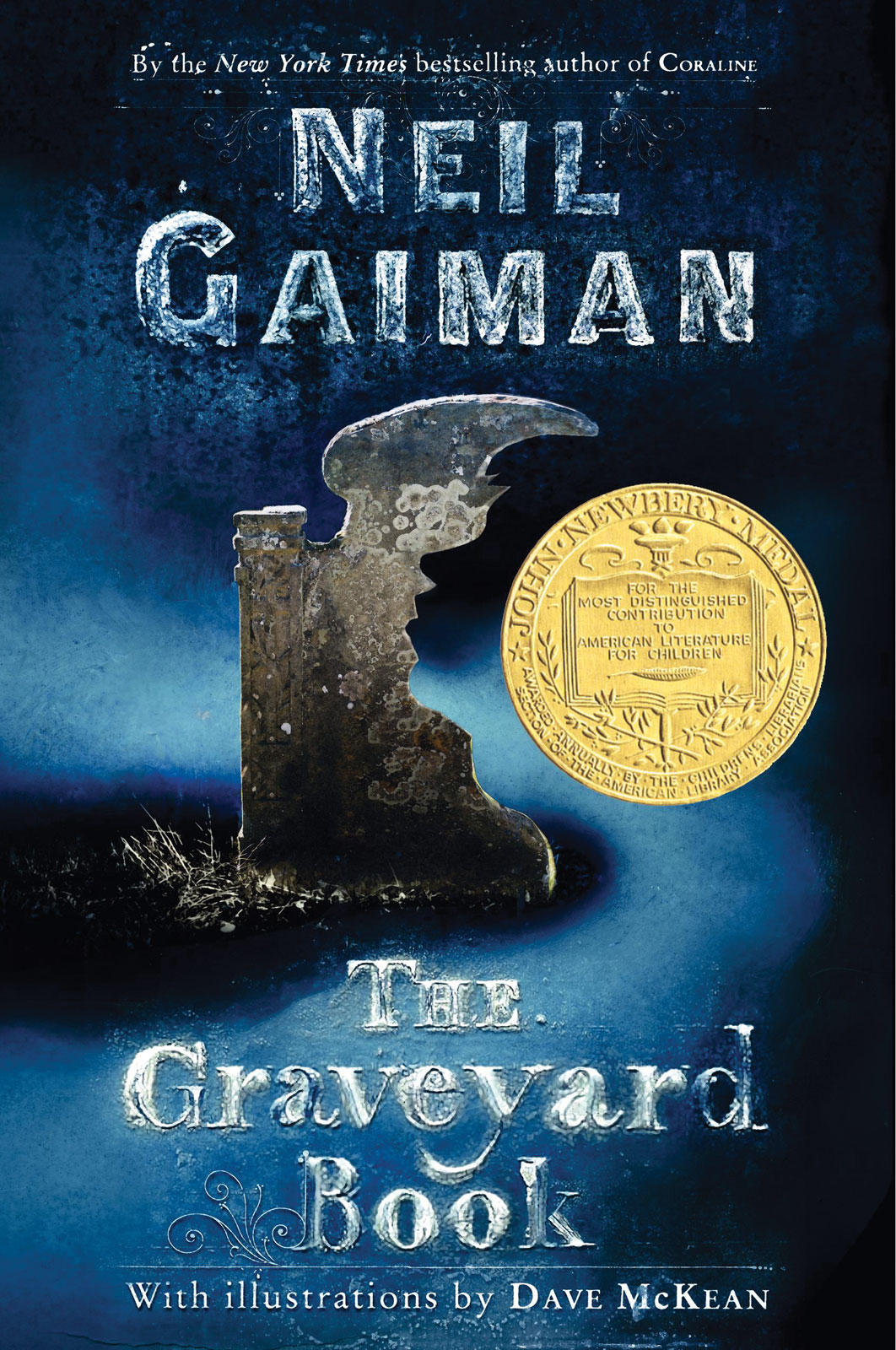
The Graveyard Book by Neil Gaiman (audio)


Neverwhere by Neil Gaiman (audio)


The Gunslinger by Stephen King (Dark Tower I)


The Drawing of the Three by Stephen King(Dark Tower II)


As I've posted before, I think reading books set in the same season/mood as you're in can not only enhance the story for you, but also emphasize your surroundings - which is why I absolutely wanted to include myself in a challenge based on that same principal. I had fun, and really enjoyed the books I read in the last two months. I look forward to participating again next year :-)

October 23, 2011

Photo Blog: Seasonal Reading??

There is nothing better than a bouquet of freshly picked flowers for your house in the springtime --


Or feeling the cool grass between your toes in the summer.


The humble smell of heaters turned on for the first time, and fireplaces burning is the smell of October--


A Warm cup of cocoa never tasted as good when the snow is falling outside your window.


For me, similar sentiments can be had with books.

In the summertime, the books I want to read tend to be lighthearted, funny, and relatable. Humor and Romance genres are my GOTO summertime/warm weather reads. There is a reason there is practically an entire genre dubbed beach books.

Once the temperatures start to drop, the trees begin to turn their beautiful autumn colors, and I want to start reading more serious books. Autumn is the time to get some of the warmer weather books finished and start lining up the cool weather books I want to read (and that exact opposite for spring).

Cool weather time is the perfect time to read bleak and abstract literature -- literature you don't necessarily relate to. Wartime books and Russian literature usually appeal to me this time of year. Most classic novels also fall under the cool weather time-frame for me, depending, obviously, on subject matter.


While I'm not completely driven by these 'weather criteria', I think it does have a big impact on what I finally decide on reading -- but at the end of the day, I read what I feel like reading. Too much planning always puts me off....

* Speaking of which: An occasional challenge (a very loose-ended, or very specific one book challenge to be specific) is alright every once in awhile. But my favorite are the seasonal book challenges, like the R.I.P., which is why I decided to go ahead and participate - it is exactly my kind of challenge :-)

Do any of you find yourselves reading certain types of books at certain times of the year? 
How does it compare?


Disclaimer: None of the photos in this post were taken by me, though I did put the Seasonal Reading Collage together :-) 

October 17, 2011

Warning: Big Fat Waste of Time...Mostly

The Egyptologist
Arthur Phillips
Novel of Correspondence/Mystery/Audio-Book


Another Audio-Book guys, but this one was disappointing for me after listening to a gem like Neverwhere, by Neil Gaiman. The Egyptologist is told in a series of letters and journal entries - the journal from the early 1900s, and letters from 'present' day.

I was a little bit skeptical about the book having several narrators, but that was before I knew the book is told as a correspondence. As it turns out, it worked out very well that way: An Englishman for the 'focus' character, an Australian as the Snoop, and an American for the Bostonian girl. 

But...

It was boring. 3/4 of the book consists of boring over-detailed journal entries from the main character who is engaged to said Bostonian girl, daughter of his financier, and is on a 'dig' in Egypt for an Ancient Egyptian King who may or may not have existed. This man is both annoying and slightly insane (progressively more-so throughout the book). I found myself looking forward to the 'Snoop's letters. You know from the beginning that he starts out looking for a man who has gone missing in order to give him a large inheritance, and ends up stumbling onto a double murder. The mystery is who died and how. I wasn't sure who, or how, but I had a hankering feeling - hoping there would be a twist from what I expected, though I was right. Maybe that is part of the reason the end didn't justify the means. Perhaps if I didn't know what was going to happen at the end, I would have enjoyed it more. The ending was carefully put together.

Also, I liked the girl, though she was an opium addict. Her narrator's voice was very interesting. Like she was hiding an exotic accent. Also, the Snoop being Australian was pretty neat. Not too often I get to hear that :-)

All in all, I wouldn't recommend this book. It is pretty long for a standard fiction book, and the payoff wasn't worth the time. As an audio-book it wasn't so bad, but near the end I almost couldn't stand the insanity of the English-guy. Good Lord. I think the author probably could have made it 200 pages shorter with no consequence. Eh, at least it's over now.

September 27, 2011

Sherlock Holmes at His Finest

The Hound of the Baskervilles
Arthur Conan Doyle
Classic/Mystery


I read a book once, called The Thirteenth Tale - I didn't like the book much, as far as that goes, but there was an interesting concept in one passage. The bookish young woman struggles with the tale the old woman is telling her, and she comes down with a sickness. The butler diagnoses that she has read Jane Eyre too many times and too much Jane Austen - and the traits attributed to all female characters of those stories had become increasingly prominent in her (I haven't read much of that genre, which I plan to remedy soon enough) - and he promptly prescribes lots and lots of Sherlock Holmes, to counter-balance the ideas running through her mind. 

-   -   -   -   -   -   -   -   -   -   -   -   -   -

I bought this copy of The Hound of Baskervilles because I really like these magnificent cloth bound Penguin Classics edition series of books. I have a few of them now: Tales from 1,001 Nights, Oliver Twist, Treasure Island, Middlemarch, and the one pictured above, which I just finished reading last night, sprawled out on the carpet at the foot of my bed. 

I have read a few very short Sherlock Holmes stories (on my nook), and of course, was vaguely aware of the cultural ambiance that is Sherlock Holmes, as we all are. The writing is very straight forward. The tale is told by Watson, Holmes' famous sidekick, as a record of exactly the events that transpired. In this particular case, Watson played a big part by living with the person the case revolved around. This enabled for a bit of muti-media in the story; one chapter was a series of letters Watson had written to Holmes, describing what he notices, and another chapter is comprised of several entries from Watson's diary, though they also, don't reveal much more than exactly what happened. Of course, every loose end you could possibly think of is resolved through the adventure, and if it isn't, is in Holmes' soliloquy at the end, describing, in detail, how the events came to be in the first place, and any other particulars that otherwise didn't come out within the story. There are not many emotions simply expressed - only observed, which can make the reading a bit dry for some readers, but Sherlock Holmes, is Sherlock Holmes - so brilliant his faults must be overlooked. 

I highly recommend that everyone read some good 'ol Sherlock Holmes (doesn't have to be this book in particular). This kind of reading is always good when, like in The Thirteenth Tale, the drama in your real life is at an all time high, and you just need something to make complete unquestionable sense. 

This book also fits very neatly into the R.I.P. Reading Challenge, as a classic mystery tale. Didn't bring out the 'October' smell, and longing thoughts of snow, frost, and pumpkins, but I am glad I read it.